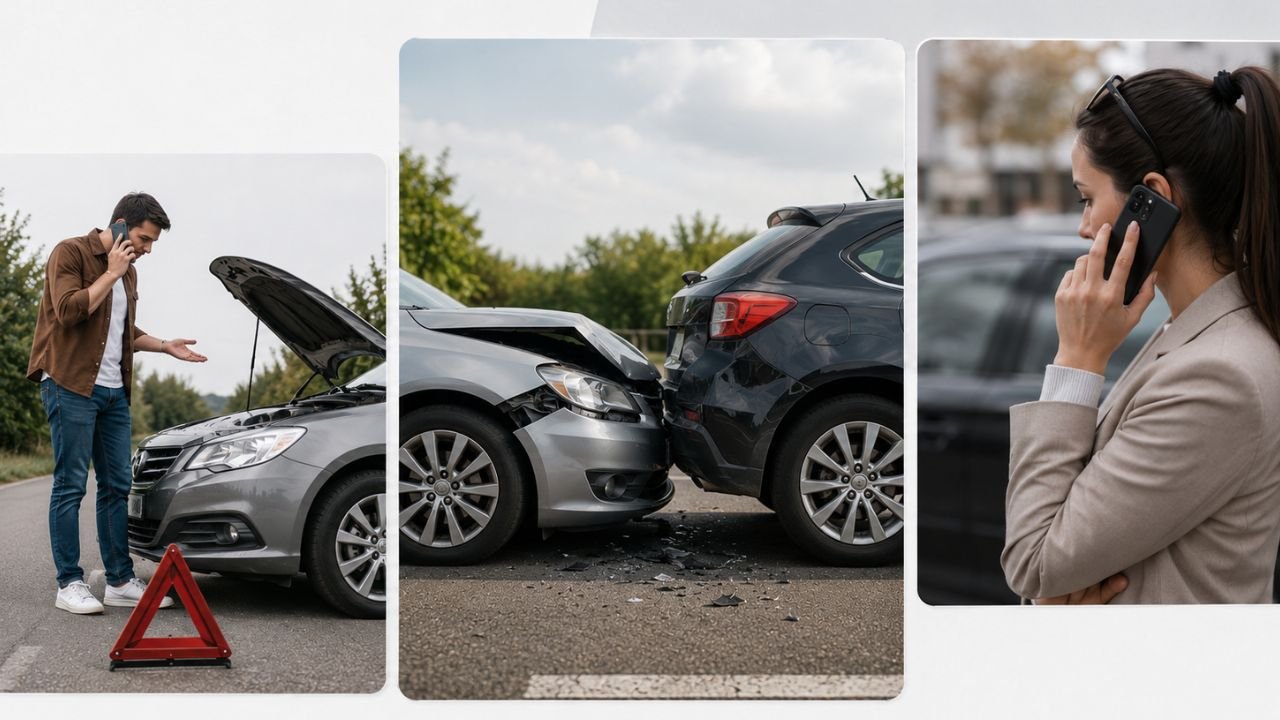
Renting a car should feel like a treat, not a worry. Most trips go perfectly. But somewhere in the back of your mind, there’s a small question: what do I do if something goes wrong? Maybe the car won’t start. Maybe someone bumps into you in a parking lot, or a warning light pops up on the dashboard. If you’re planning an exotic car rental, it helps to know the plan before you ever turn the key. The good news is that handling these moments is easier than most people think. Stay calm, follow a few clear steps, and you’ll be fine.
Stay Calm and Stay Safe First
Before anything else, make sure everyone is okay. If the car stops working or you’re in a small accident, your safety comes first. Here’s what to do right away:
- Move the car out of traffic if you can
- Turn on your hazard lights so others can see you
- Check yourself and your passengers for injuries
- Call 911 right away if anyone is hurt
A scratched bumper can wait. People cannot. Once everyone is safe, take a slow breath. The next steps are simple, and you don’t need to rush them.
What to Do If the Car Breaks Down
A rental breakdown is usually less scary than it sounds. If the car won’t start, makes a strange noise, overheats, or warns you with a dashboard light, pull over somewhere safe and turn on your hazards. Stay with the car if you can do so safely, and if it’s dark or you’re on a busy road, wait inside with your seatbelt on. Then call the rental company. Most companies keep an emergency number on the rental agreement or on a sticker inside the glove box. Tell them what happened and where you are. They will guide you on what to do next. Often they send roadside help, arrange a tow, or even bring you another car. Not every breakdown is a big mechanical problem either. A flat tire, a dead battery, or locking your keys inside are common, and roadside help usually handles those quickly. Do not try to fix the problem yourself, and do not keep driving a car that feels unsafe. That only turns a small issue into a big bill.
What to Do After a Crash or Damage
Crashing a rental car feels awful at the moment, but the steps are the same ones you’d take in your own car. At the scene, work through these in order:
- Check everyone for injuries and call the police, even for minor hits — a police report protects you later
- Take photos of everything: the damage, the other car, the license plates, and the area around you
- Swap names, phone numbers, and insurance details with the other driver
- Don’t admit fault or argue about who caused it
- Call the rental company and let them know what happened
Whether you’re a daily driver or a high-powered car like the BMW M5 Competition, the rules don’t change — document first, talk later. Knowing what to do if you damage a rental car ahead of time keeps a stressful moment from turning into a costly one.
Who Pays for the Damage?
This is the part everyone really wants to understand. What happens when you crash a rental car usually comes down to one thing: the coverage you set up before you drove off. There are normally three options:
- A damage waiver from the rental company (CDW or LDW) — if you bought it, the company usually covers the repairs, and you walk away owing little or nothing
- Your own car insurance — it may extend to rentals, so call your provider to be sure
- Your credit card — it can offer some protection when you pay with it
A good rule is to call the rental company first, since they know exactly what your agreement covers, and then call your own insurer if you need to.
Here’s the part most guides skip. Credit card coverage sounds great, but it usually leaves out the most expensive cars. According to NerdWallet, luxury and high-value vehicles are generally excluded from a card’s rental protection. Capital One says the same about exotic cars. So if you’re counting on your card to cover rental car damage on something like a Lamborghini or a Ferrari, it may not apply at all. There’s also a hidden cost many renters never hear about: a “loss of use” fee, which is money the company charges for the days a damaged car can’t be rented out. This is exactly why renting from a clear, honest company matters. A good shop explains your coverage up front, so there are no surprises if something goes wrong.
A Few Smart Habits That Prevent Problems
The best way to handle damage is to avoid it in the first place. Walk around the car before you drive and take photos of any marks that are already there — this keeps you from being blamed for damage you didn’t cause. Ask the company to explain your coverage in plain words, not fine print. Save their phone number in your phone, not just on paper. And give yourself a few minutes to get used to the car before hitting the highway, especially if it’s faster or larger than what you normally drive. A calm, careful start is the cheapest insurance there is.
Conclusion
Breakdowns and accidents are rare, and they feel far less scary when you have a plan. Stay safe first, document everything, call the rental company, and know your coverage before you drive. A little preparation, like knowing the top thing to check before renting a car, turns a stressful surprise into a small bump in your trip. Rent from a company that’s upfront about pricing and coverage, drive with care, and enjoy the ride. That’s really all there is to it.